
Receitas de Jejum do Ekadashi
Comida Vrat Autêntica — Sem Cebola · Sem Alho · Sem Grãos
All 12 recipes are available in English, हिन्दी, తెలుగు, മലയാളം, ଓଡ଼ିଆ, Русский and Português
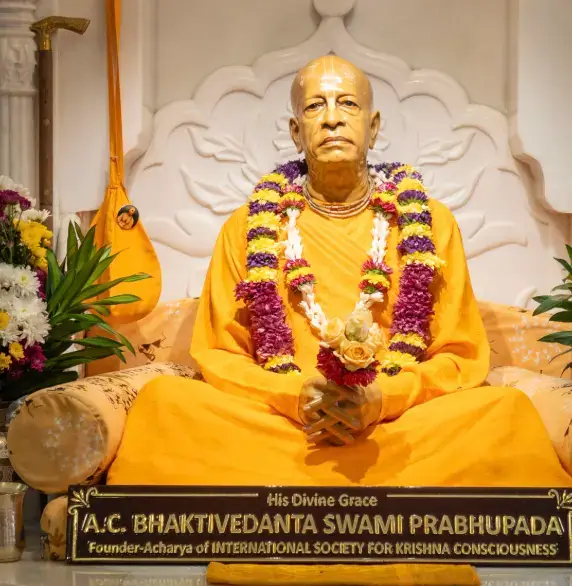
Ekadashi — observado duas vezes ao mês no décimo primeiro dia lunar — é o dia de jejum mais sagrado no calendário Vaishnava. Srila Prabhupada enfatizou pessoalmente a observância rigorosa do Ekadashi, ensinando que ao jejuar de grãos e leguminosas neste dia, os devotos podem acelerar dramaticamente seu progresso espiritual.
As comunidades Hare Krishna em todo o mundo — de Vrindavan e Mayapur a Los Angeles, Londres e Sydney — preparam prasadam especial do Ekadashi de acordo com os padrões vaishnava clássicos: sem grãos, sem leguminosas, sem cebola, sem alho, idealmente cozido em ghee puro.
Cada receita está disponível em sete idiomas — inglês, hindi, telugu, malaiala, oriá, russo e português brasileiro — para que devotos do mundo todo possam acompanhar em sua língua materna.
Sabudana Khichdi
Khichdi de pérolas de tapioca temperadas em ghee com amendoim torrado, cominho e sal sendha — o café da manhã de Ekadashi mais querido.
Ver Receita
Makhana Kheer
Pudim cremoso de nozes de lótus cozido lentamente em leite integral com açafrão, cardamomo e ghee.
Ver Receita
Kuttu ki Puri
Puris crocantes de farinha de trigo sarraceno fritos em ghee — o pão de jejum favorito.
Ver Receita
Rajgira Paratha
Paratha integral de amaranto assado no tawa com ghee e sal sendha — base nutritiva do jejum Ekadashi.
Ver Receita
Sama Rice Khichdi
Khichdi reconfortante de painço cozido com ghee, batatas, cominho e sal sendha.
Ver Receita
Jeera Aloo
Batatas douradas com cominho, pimenta preta e amchur refogadas em ghee — o acompanhamento mais simples do Ekadashi.
Ver Receita
Raita de Makhana
Raita cremosa de castanhas de lótus tostadas no ghee com cominho e sendha namak — acompanhamento refrescante.
Ver Receita
Puri de Singhare
Puris estufadas de farinha de castanha-d'água fritas em ghee — pão favorito do Ekadashi.
Ver Receita
Sabzi de Lauki
Abobrinha-garrafa macia refogada em ghee com cominho e gengibre — leve e digestivo.
Ver Receita
Banana Sheera
Halva doce de farinha de rajgira com banana, ghee e cardamomo — sobremesa nutritiva do Ekadashi.
Ver Receita
Laddu de Coco
Macios laddus de coco em ghee com leite condensado e cardamomo — oferenda sagrada a Krishna.
Ver Receita
Khichdi de Vrat
Khichdi farta de arroz samak e nozes de lótus no ghee com cominho — refeição completa do Ekadashi.
Ver Receita
O Que Você Pode Comer no Ekadashi?
✓ Permitido
- Frutas — todas as variedades
- Leite, iogurte, ghee, paneer
- Batatas, batatas-doces
- Sabudana (pérolas de tapioca)
- Farinha de trigo sarraceno (kuttu)
- Farinha de amaranto (rajgira)
- Arroz Sama (painço)
- Makhana (nozes de lótus)
- Amendoins, coco, frutas secas
- Sendha namak (sal de pedra)
- A maioria dos vegetais (sem cebola/alho)
✗ Evitar
- Arroz, trigo, aveia, cevada, milho
- Todas as leguminosas e feijões
- Pão, macarrão, massa comum
- Cebola e alho (o ano todo)
- Sal iodado
- Carne, peixe, ovos
Perguntas Frequentes
Quais alimentos são permitidos no Ekadashi?
A tradição Vaishnava seguida pelos devotos do ISKCON exclui todos os grãos e leguminosas no Ekadashi. Alimentos permitidos: frutas, leite, ghee, batatas, batatas-doces, tapioca (sabudana), trigo sarraceno (kuttu), amaranto (rajgira), arroz Sama, nozes de lótus (makhana), amendoins, coco e sendha namak (sal de pedra). Cebola e alho são evitados o ano todo.
Por que os devotos do ISKCON jejuam no Ekadashi?
O jejum do Ekadashi é prescrito no Padma Purana e em outras escrituras Vaishnavas. Srila Prabhupada ensinou que jejuar no Ekadashi purifica o corpo e a mente, reduz o apego à gratificação dos sentidos e permite que os devotos se concentrem mais em cantar Hare Krishna e ouvir sobre Krishna.
Pode comer grãos no Ekadashi?
Não — todos os grãos (arroz, trigo, aveia, cevada, milho) e leguminosas são estritamente evitados no Ekadashi. Esta proibição vem do Padma Purana, que afirma que no Ekadashi o espírito do pecado (papa-purusha) se abriga nos grãos. Os devotos Hare Krishna também evitam todos os produtos derivados de grãos.
Como os devotos Hare Krishna cozinham sem cebola e alho no Ekadashi?
Os devotos Hare Krishna evitam cebola e alho todos os dias — não apenas no Ekadashi — porque são considerados tamásicos (no modo da ignorância). O cozimento do Ekadashi usa cominho, pimenta preta, gengibre fresco, pimenta verde, folhas de curry, coentro, cardamomo e açafrão. Os pratos resultantes são profundamente saborosos através do tempero adequado em ghee.