
Ekadashi Fasting Recipes
Authentic Vrat Food — No Onion · No Garlic · No Grain
All 12 recipes are available in English, हिन्दी, తెలుగు, മലയാളം, ଓଡ଼ିଆ, Русский and Português
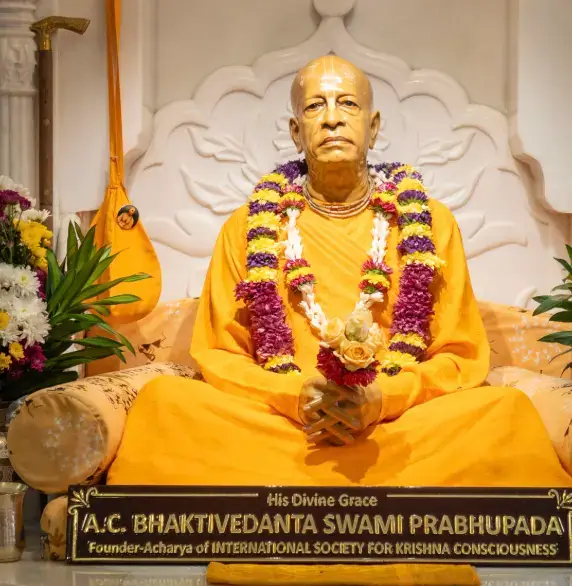
Ekadashi — observed twice a month on the eleventh lunar day — is the most sacred fasting day in the Vaishnava calendar. Srila Prabhupada, the founder-acharya of ISKCON, personally emphasised strict Ekadashi observance, teaching that by fasting from grains and beans on this day, devotees can accelerate their spiritual progress dramatically.
Hare Krishna communities worldwide — from Vrindavan and Mayapur to Los Angeles, London and Sydney — prepare special Ekadashi prasadam according to classical Vaishnava standards: no grains, no legumes, no onion, no garlic, and ideally cooked in pure ghee (clarified butter). The twelve recipes below represent the most beloved Ekadashi dishes, prepared according to the Ekadashi fasting standards followed by ISKCON devotees.
Each recipe is available in seven languages — English, Hindi, Telugu, Malayalam, Odia, Russian and Brazilian Portuguese — so devotees worldwide can follow along in their mother tongue.
Sabudana Khichdi
Fluffy tapioca pearl khichdi tempered in ghee with peanuts, curry leaves and sendha namak — the most beloved Ekadashi breakfast.
View Recipe
Makhana Kheer
Creamy fox nut pudding slow-simmered in full-fat milk with saffron, cardamom and ghee.
View Recipe
Kuttu ki Puri
Crispy buckwheat flour puris deep-fried in ghee — the quintessential Ekadashi fasting bread.
View Recipe
Rajgira Paratha
Wholesome amaranth flatbread pan-roasted in ghee with sendha namak — a nutritious Ekadashi staple.
View Recipe
Sama Rice Khichdi
Comforting barnyard millet khichdi cooked with ghee, potatoes, cumin and sendha namak.
View Recipe
Jeera Aloo
Golden cumin-spiced potatoes sautéed in ghee with black pepper, amchur and fresh coriander.
View Recipe
Makhana Raita
Crispy lotus seed raita in creamy yogurt with cumin, sendha namak and fresh coriander — a cool Ekadashi side.
View Recipe
Singhare ki Puri
Puffy water chestnut flour puris deep-fried in ghee — a beloved Ekadashi bread with a nutty sweetness.
View Recipe
Lauki ki Sabzi
Tender bottle gourd curry simmered in ghee with cumin and ginger — light, digestive and Ekadashi approved.
View Recipe
Banana Sheera
Sweet banana halwa made with rajgira flour, ghee and cardamom — a nourishing Ekadashi dessert.
View Recipe
Coconut Ladoo
Soft coconut ladoos rolled in ghee with condensed milk and cardamom — a sacred offering for Krishna.
View Recipe
Vrat ki Khichdi
Hearty samak rice and makhana khichdi cooked in ghee with cumin and potatoes — the ultimate Ekadashi meal.
View Recipe
What Can You Eat on Ekadashi?
✓ Allowed
- Fruits — all varieties
- Milk, yogurt, ghee, paneer
- Potatoes, sweet potatoes
- Sabudana (tapioca pearls)
- Kuttu atta (buckwheat flour)
- Rajgira / amaranth flour
- Sama rice (barnyard millet)
- Makhana (fox nuts)
- Peanuts, coconut, dry fruits
- Sendha namak (rock salt)
- Most vegetables (no onion/garlic)
✗ Avoid
- Rice, wheat, oats, barley, corn
- All lentils and beans (dal)
- Bread, pasta, regular noodles
- Onion and garlic (year-round)
- Iodised table salt
- Meat, fish, eggs
Frequently Asked Questions
What foods are allowed on Ekadashi?
The Vaishnava tradition followed by ISKCON devotees excludes all grains and legumes on Ekadashi. Permitted foods include: fruits, milk, ghee, potatoes, sweet potatoes, tapioca (sabudana), buckwheat (kuttu), amaranth (rajgira), barnyard millet (sama rice), fox nuts (makhana), peanuts, sendha namak (rock salt), and most vegetables except onion and garlic which are avoided year-round.
Why do ISKCON devotees fast on Ekadashi?
Ekadashi fasting is prescribed in the Padma Purana and other Vaishnava scriptures. Srila Prabhupada taught that fasting on Ekadashi purifies the body and mind, reduces attachment to sense gratification, and allows devotees to focus more on chanting Hare Krishna and hearing about Krishna. The eleventh day of each lunar fortnight is considered especially auspicious for devotional service.
Can grains be eaten on Ekadashi?
No — all grains (rice, wheat, oats, barley, corn, millet) and legumes (dal, lentils, beans, peas) are strictly avoided on Ekadashi. This prohibition comes from the Padma Purana which states that on Ekadashi the spirit of sin (papa-purusha) takes shelter in grains. Hare Krishna devotees also avoid all grain-derived products like pasta, bread, biscuits and regular noodles.
How do Hare Krishna devotees make Ekadashi food without onion and garlic?
Hare Krishna devotees avoid onion and garlic every day — not just on Ekadashi — because these are considered tamasic (in the mode of ignorance) and disturb spiritual consciousness. Ekadashi cooking uses cumin, black pepper, fresh ginger, green chilli, curry leaves, coriander, cardamom and saffron. The resulting dishes are deeply flavourful through proper tempering in ghee (tadka).