Kartika Maas – The Month of Divine Light and Devotion to Lord Damodara
In short
Discover the spiritual significance of Kartika Maas 2025 (Oct 7 - Nov 5), the holiest month for devotion to Lord Damodara. Learn about sacred practices like lamp offerings, holy baths, Tulsi worship, and the profound teachings from Padma Purana and Skanda Purana.
🌕 Kartika Maas – The Month of Divine Light and Devotion to Lord Damodara
Kartika Maas (also known as Damodara Maas) is one of the most sacred and spiritually uplifting periods in the Hindu calendar. Recognized as the eighth lunar month, it is celebrated across India and the world as a time of deep devotion, self-purification, and loving service to Lord Krishna and Lord Vishnu.
🗓 Kartika Maas 2025 Dates
Start Date: Tuesday, October 7, 2025
End Date: Wednesday, November 5, 2025 (culminating on Kartik Purnima)
For devotees, this is not just another month — it is a divine opportunity. Every act of devotion performed in Kartika yields multiplied spiritual merit, accelerating one's journey toward liberation.
🌸 The Spiritual Significance of Kartika Maas
The Padma Purana and Skanda Purana extol Kartika as the holiest month of the year — a period when Lord Vishnu and Lord Krishna are most easily pleased. It is a month where spiritual acts — such as fasting, chanting, charity, and lamp offerings — bring immense, lasting benefit.
🕉️ Supreme Sanctity – The Lord's Favorite Month
📜 Padma Purana, Uttara Khanda (112.3)
Sanskrit (Devanagari):
वनस्पतीनां तुलसी मासानां कार्त्तिकं प्रियम्।
तस्माद् व्रतत्रयं ह्येतन् मम'तीव प्रियङ्करम्॥
Vanaspatīnām Tulasī Masānāṁ Kārttikaṁ priyam |
Tasmād Vrata-trayaṁ hyetan Mama'tīva Priyaṁkaram
Meaning:
Lord Krishna says —
"Of all plants, Tulasi is most dear to Me; of all months, Kartika is most dear; of all days, Ekadashi is most dear; and of all holy places, My Dwaraka is most dear. Therefore, these three vows — Tulasi, Kartika, and Ekadashi — are exceedingly dear to Me."
📜 Glory from Skanda Purana
📜 Skanda Purana (Cited in Hari Bhakti Vilasa 16/25)
Sanskrit (Devanagari):
न कार्त्तिक-समो मासो न कृतेन समं युगम्।
न वेद-सदृशं शास्त्रं न तीर्थं गङ्गया समम्॥
Na Kārtika-samo māso, na kṛtena samaṁ yugam |
Na veda-sadṛśaṁ śāstraṁ, na tīrthaṁ gaṅgayā samam
Meaning:
"There is no month equal to Kartika, no yuga equal to Satya Yuga, no scripture equal to the Vedas, and no pilgrimage site equal to the Ganga."
🌿 Damodara Maas – The Month of Loving Devotion
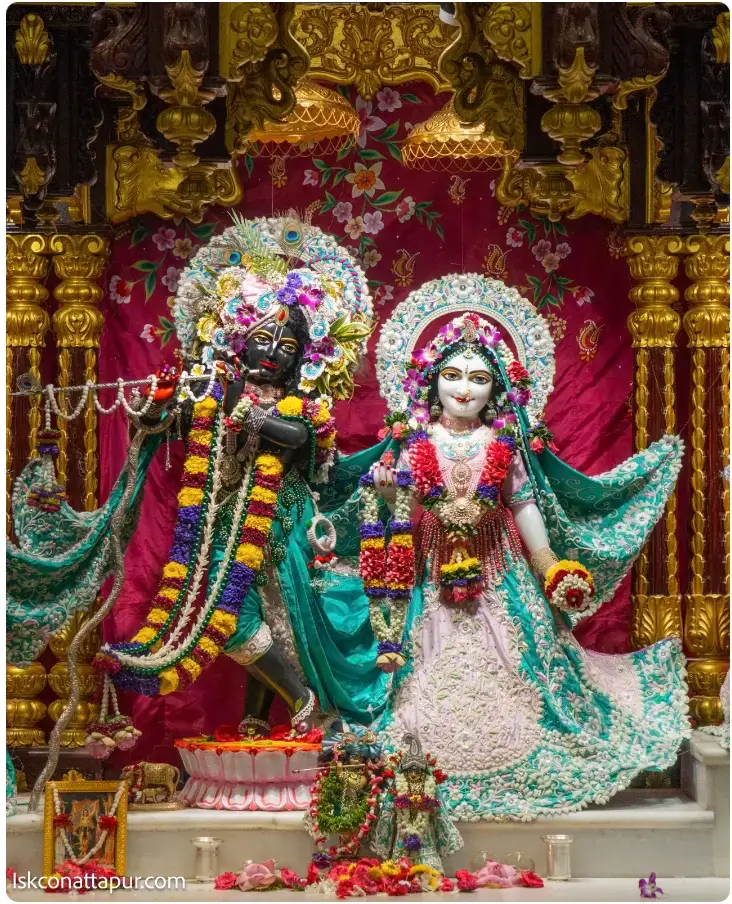
Kartika is affectionately known as Damodara Maas, celebrating Lord Krishna's enchanting pastime when Mother Yashoda bound Him with a rope of love. This symbolizes that the Supreme Lord is bound only by devotion, not by power.
During this month, devotees focus on bhakti (devotion) — chanting, offering lamps, and meditating on Krishna's sweet form as Damodara.
🌼 The Awakening of Lord Vishnu – End of Chaturmasya
Kartika Maas also marks Lord Vishnu's awakening from His four-month cosmic rest, known as Chaturmasya. On Devuthani Ekadashi, devotees celebrate His divine awakening by resuming auspicious activities such as weddings, housewarmings, and new vows of devotion.
This symbolizes our own awakening from spiritual slumber, reminding us to rise in consciousness and reconnect with the Lord.
🔥 Sacred Practices of Kartika Maas
Every spiritual activity performed during Kartika carries 1000 times more potency. The following are the most recommended devotional practices:
🕯️ 1. Deep Daan – The Offering of Lamps
Offering a ghee lamp (Deep Daan) to Lord Krishna or the Tulsi plant every evening while singing the Damodarastakam is the most exalted practice of the month.
📜 Skanda Purana
Sanskrit (Devanagari):
कार्त्तिके दीपदानेन, यः कृष्णं परितोषयेत्।
कल्पाऽयुतशतसहस्रजन्मसञ्चितं विनाशयेत्॥
Kārttikē dīpa-dānēna, yaḥ kṛṣṇaṁ paritoṣayet |
Kalpāyuta-śata-sahasra-janma-saṁcitaṁ vināśayet
Meaning:
"One who satisfies Lord Krishna by offering a lamp in Kartika destroys the sins accumulated over thousands and millions of lifetimes — in half an eye-blink."
— Skanda Purana
🚿 2. Kartik Snan – Holy Morning Bath
A sacred bath before sunrise — preferably in the Ganga or Yamuna — purifies the heart and soul. Even bathing at home with a prayerful heart grants divine merit.
📜 Skanda Purana, Kashi Khanda
Sanskrit (Devanagari):
कार्त्तिके यः प्रातःस्नानं सर्वतीर्थफलाधिकम्।
सर्वान् कामान् स वै प्राप्य विष्णुलोकं स गच्छति॥
Kārttikē yaḥ prātaḥ-snānaṁ sarva-tīrtha-phalādhikam |
Sarvān kāmān sa vai prāpya, Viṣṇulokaṁ sa gacchati
Meaning:
"One who performs an early morning bath in Kartika attains the merit of bathing in all holy rivers and finally reaches Lord Vishnu's abode (Vaikuntha)."
💛 3. Worship of Lord Damodara
The essence of Kartika lies in loving devotion, expressed through the daily recitation of the Śrī Damodarastakam, especially during lamp offerings.
📜 Śrī Damodarastakam (Verse 4)
Sanskrit (Devanagari):
वरं देव मोक्षं न मोक्षावधिं वा।
न चान्यं वृणेऽहं वरेशादपीह॥
इदं ते वपुर्नाथ गोपालबालं।
सदा मे मनस्याविरास्तां किमन्यैः॥
Varaṁ deva mokṣaṁ na mokṣāvadhiṁ vā |
Na cānyaṁ vṛṇe'haṁ vareśād apīha |
Idaṁ te vapur nātha gopāla-bālaṁ |
Sadā me manasyāvirāstām kim anyaiḥ
Meaning:
"O Lord, I do not desire liberation or any other boon.
I only wish that Your beautiful form as the cowherd boy, Gopala, forever remain in my heart.
What need have I for anything else?"
— Śrī Damodarastakam, Verse 4
🌿 4. Tulsi Worship
Tulsi Devi, the sacred embodiment of devotion, is specially honored throughout Kartika. Devotees water, circumambulate, and offer lamps to Tulsi daily.
The Tulsi Vivah festival — the divine marriage of Tulsi and Lord Vishnu — also falls within this holy month.
🍃 5. Fasting and Austerity
Fasting, simplicity, and control over the senses are emphasized. Many devotees eat once a day or avoid grains, focusing instead on prayer, humility, and service.
📿 6. Chanting and Reading Scriptures
Increasing one's chanting of the Hare Krishna Maha Mantra, reciting Damodarastakam, and reading sacred texts like the Bhagavad Gita and Srimad Bhagavatam bring immense spiritual growth.
🤲 7. Charity and Service (Daan & Seva)
Acts of charity (daan) and service (seva) — feeding the needy, caring for cows, or serving devotees — carry amplified blessings during this month.
🌺 Conclusion
Kartika Maas is not merely a time on the calendar; it is a spiritual festival of love and light.
Just as Mother Yashoda bound Lord Krishna with the rope of her affection, we too can bind the Lord within our hearts — through sincere devotion.
Whether you light one lamp, chant one mantra, or read one verse — every act performed in Kartika Maas shines eternally in your spiritual journey.
Let your heart become the lamp, and may your devotion illuminate your path toward divine love and liberation. 🌼
Share this article
Rate This Article
How would you rate this article? Click on a star to rate: